
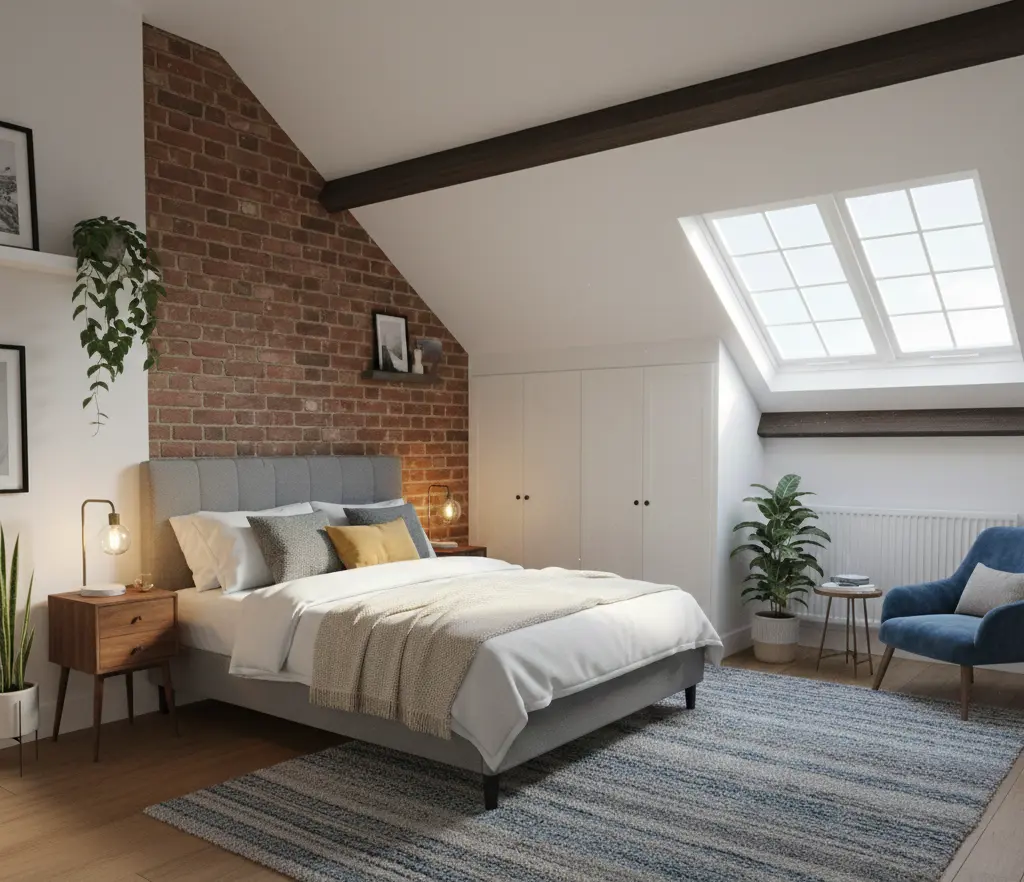
A loft conversion is one of the most cost effective ways to add valuable living space to your Kent home. Whether you need an extra bedroom, home office, playroom, or en-suite master bedroom, converting your unused loft space can transform your property without the disruption and cost of moving house.
At A.P.T. Builders, we've completed hundreds of loft conversions across Kent, from simple Velux conversions to complex hip-to-gable transformations. This comprehensive guide shares everything we've learned to help you plan your project successfully.
In This Guide
What is a Loft Conversion?
A loft conversion transforms your unused roof space into habitable living area. Unlike an extension, which builds outwards, a loft conversion works within your existing property footprint, making efficient use of space you already have.
Why Choose a Loft Conversion?
Add Living Space
Gain valuable square footage without losing garden area or extending your property's footprint. Perfect for growing families or those needing dedicated work from home space.
Cost Effective
Significantly cheaper than moving house when you factor in estate agent fees, stamp duty, legal costs, and removal expenses. Often cheaper than ground floor extensions too.
Increase Property Value
A well-designed loft conversion typically adds 15-20% to your property's value, often exceeding the cost of the conversion itself.
Often No Planning Permission
Many loft conversions fall under permitted development rights, meaning no planning application required.
Less Disruption
Most work happens above you in the loft space. No digging foundations or losing your kitchen for weeks like with ground floor extensions.
Flexible Use
Create a master bedroom with en-suite, home office, children's playroom, guest suite, or hobby room. The space adapts to your family's changing needs.
Types of Loft Conversions
There are four main types of loft conversion, each suited to different roof types, budgets, and space requirements. The best option for your Kent home depends on your existing roof structure and how much headroom and floor space you need.
Velux (Rooflight) Conversion
The simplest and most affordable option. Velux windows are installed into the existing roof slope without altering the structure. Cost: £25,000-£35,000. Ideal for lofts with plenty of existing headroom. Usually doesn't need planning permission.
Dormer Loft Conversion
The most popular type in Kent. A dormer extends vertically from the roof slope, creating a box-like structure that adds significant headroom and floor space. Cost: £35,000-£55,000. Rear dormers can span the full width of the house.
Hip-to-Gable Conversion
For properties with hipped roofs (slopes on all sides). The sloping hip end is extended outward and rebuilt as a vertical gable wall. Cost: £45,000-£65,000. Often combined with a rear dormer for maximum space. Common on 1930s semis.
Mansard Conversion
The most extensive option, altering the entire roof structure. One or both slopes are replaced with near vertical walls (72 degrees) and a flat roof on top. Cost: £55,000-£75,000+. Creates maximum space but usually requires planning permission.
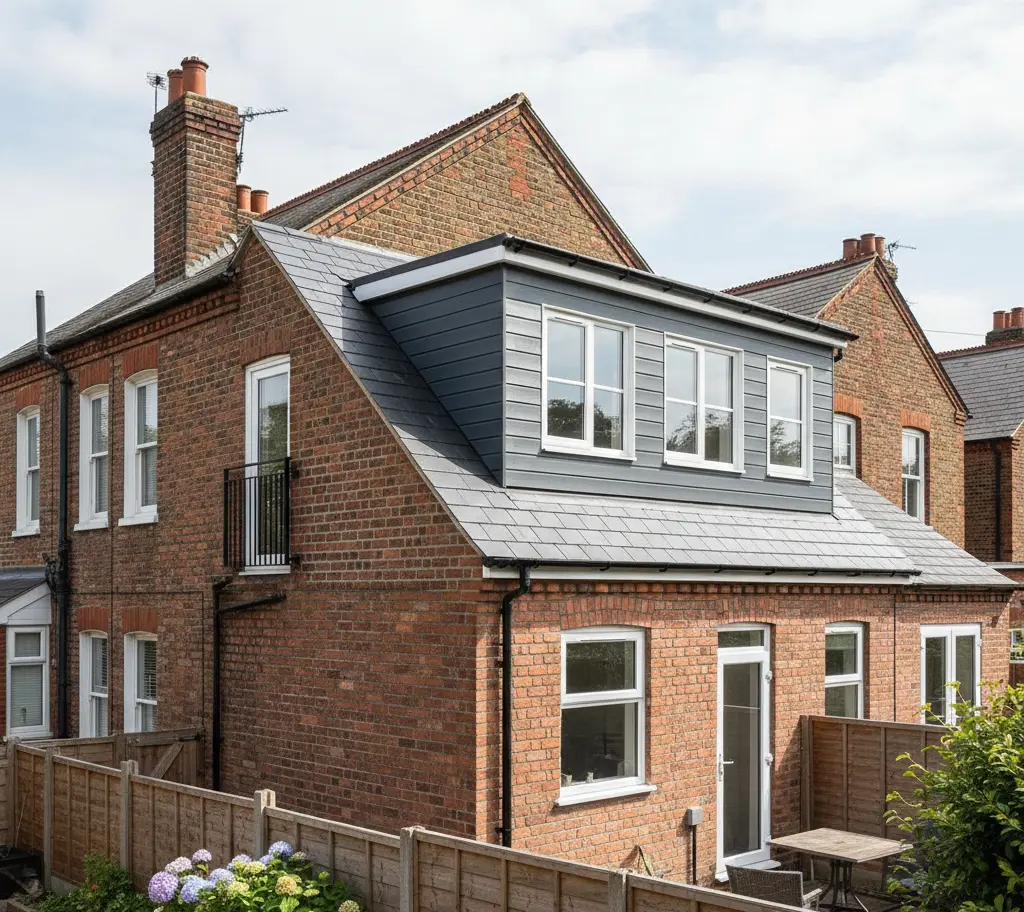
A rear dormer loft conversion creates maximum usable floor space
Is My Loft Suitable for Conversion?
Most lofts can be converted, but suitability depends on several factors. Here's how to assess whether your Kent home is a good candidate for a loft conversion.
Key Requirements
- Head Height: You need at least 2.2 metres from the top of ceiling joists to the underside of the ridge. Less than this? Dormer or mansard options can add the height you need
- Roof Structure: Traditional cut roofs (rafters and purlins) are easiest. Trussed roofs (W-shaped) need more structural work but are still very achievable
- Staircase Space: You'll need approximately 2.5m floor length on the level below for a standard staircase, though space-saving designs can reduce this
- Party Walls: Shared walls with neighbours may require a Party Wall Agreement
Other Considerations
- Chimney breasts: Can be incorporated into the design or removed with Building Regulations approval
- Water tanks: Usually relocated to the eaves or replaced with a combination boiler system
- Conservation areas: Additional restrictions in Canterbury, Tenterden, and some Ashford villages
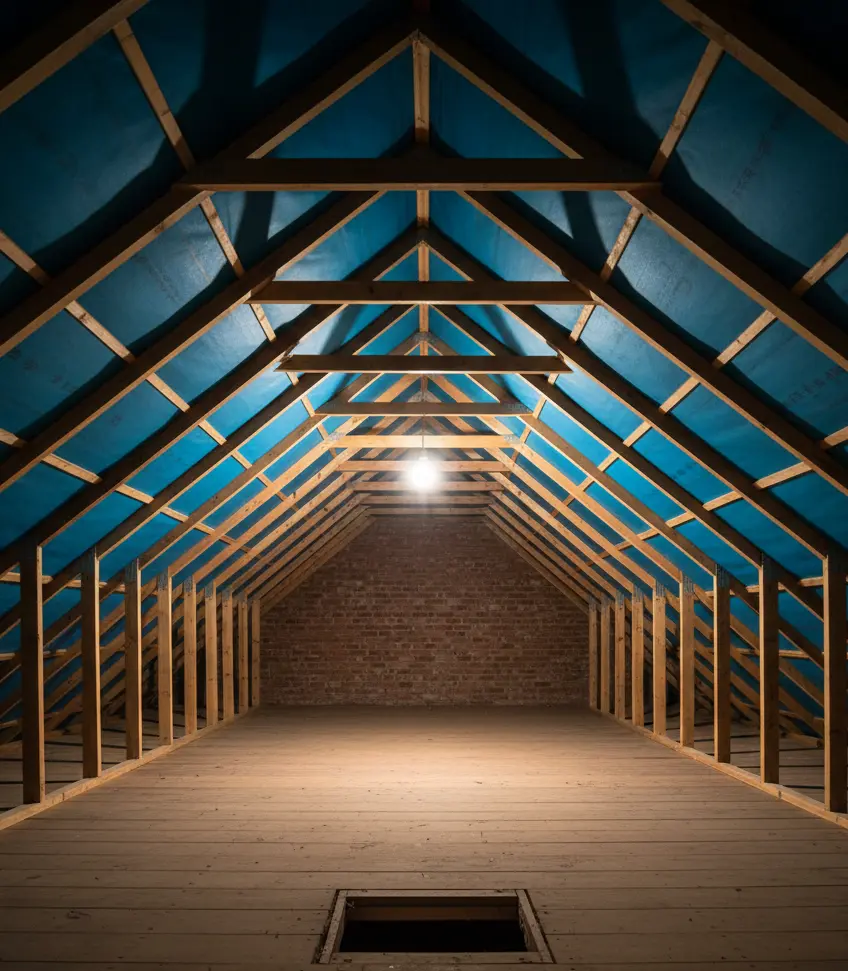
Loft Conversion Costs in Kent (2026)
Loft conversion costs vary based on the type of conversion, size, specification, and your property's location and condition. Here are typical prices for Kent in 2026.
Velux Conversion
£25,000-£35,000Simplest option - rooflights installed into existing roof slope without structural changes.
- ✓ 4-6 weeks completion
- ✓ Usually no planning needed
- ✓ Minimal external change
- ✓ Best for high ridge heights
- ✓ Includes staircase & electrics
Dormer Conversion
£35,000-£55,000Most popular choice - vertical extension from roof creates maximum usable floor space.
- ✓ 6-8 weeks completion
- ✓ Often permitted development
- ✓ Full standing headroom
- ✓ Works on most roof types
- ✓ Can span full width
Hip-to-Gable
£45,000-£65,000Extends hipped roof outward to vertical gable - ideal for 1930s semis and detached homes.
- ✓ 8-10 weeks completion
- ✓ Maximises space on hipped roofs
- ✓ Often combined with dormer
- ✓ May need planning permission
- ✓ Significant space gain
Mansard Conversion
£55,000-£75,000+Most extensive option - replaces roof slope with near-vertical walls for maximum space.
- ✓ 10-12 weeks completion
- ✓ Planning usually required
- ✓ Maximum floor space
- ✓ Rooms feel like normal bedrooms
- ✓ Works on almost any property
What's Included in Our Prices?
All structural work including steel beams, floor strengthening, new staircase, windows (Velux or dormer), full insulation, complete electrical installation, plastering and decoration to standard finish. Please note: Building Control fees, inspection costs, and scaffolding are charged at their respective rates and are not included in our quotations unless otherwise agreed.
Do I Need Planning Permission?
Many loft conversions fall under permitted development rights, meaning you don't need to apply for planning permission. However, there are specific limits and conditions you must meet.
Permitted Development Limits
- Volume: Maximum 40m³ for terraced houses, 50m³ for detached/semi-detached
- Height: No extension higher than the existing roof ridge
- Front Elevation: No extension beyond the existing roof slope facing a highway
- Materials: Must be similar in appearance to existing house
- Setback: Roof enlargement must be set back at least 20cm from original eaves
You WILL Need Planning If:
- Property is in a conservation area or AONB
- Your home is a listed building
- The property is a flat or maisonette
- Previous extensions have used your allowance
- You want a Juliet balcony (permitted) vs full balcony (needs permission)
For detailed information, see our comprehensive guide to planning permission and Building Regulations in Kent.
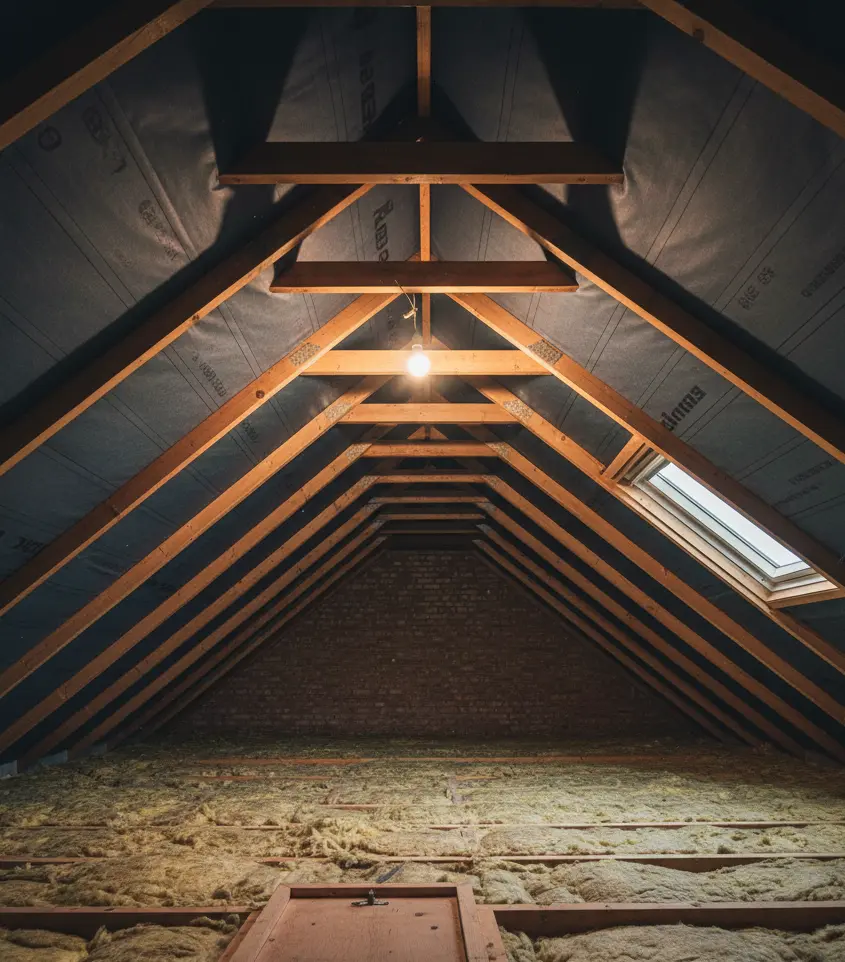
Building Regulations for Loft Conversions
Unlike planning permission, Building Regulations approval is always required for a loft conversion. This ensures your conversion is safe, structurally sound, and meets current standards.
Structural Safety (Part A)
Floor must support domestic loads. Typically requires new floor joists, steel beams, and padstones. Structural engineer calculations needed for Building Control approval.
Fire Safety (Part B)
30-minute fire-resistant doors on all rooms opening onto the escape route. Mains-powered smoke alarms on every floor. Escape window or protected stairway required.
Thermal Insulation (Part L)
Minimum U-values for roof (0.18 W/m²K), walls, and floor. High-performance insulation between and under rafters, typically 200mm+ depth.
Staircase Requirements (Part K)
Minimum width 800mm. Maximum pitch 42 degrees. Minimum headroom 2m. Handrail required on at least one side. Space-saving stairs allowed in some circumstances.
Electrical Safety (Part P)
All electrical work must be by a Part P registered electrician or inspected by Building Control. Includes lighting, sockets, heating, and smoke alarm circuits.
Sound Insulation (Part E)
Required for party walls and floors in conversions. Mineral wool acoustic insulation installed to reduce sound transmission to neighbours.
Fire Safety is Critical: A loft conversion adds a third floor, making fire escape more complex. Building Regulations require either a protected stairway (fire-resistant doors on all rooms) or an alternative escape route. We design all conversions to meet these requirements from the outset.
The Loft Conversion Process
Understanding the loft conversion process helps you plan and prepare. Here's what happens from initial enquiry to moving into your new space.
Initial Survey & Quote (Free)
We visit your property to measure the loft, assess the roof structure, discuss your requirements, and survey access for the staircase. Within a week, you'll receive a detailed written quotation with fixed pricing.
Design & Planning (2-4 weeks)
Once you accept our quote, we finalise the design, commission structural engineer calculations, and submit Building Regulations applications. If planning permission is needed, we handle this too.
Scaffolding & Structural Work (Week 1-2)
Scaffolding goes up for dormer/hip-to-gable work. Steel beams are installed to support the new floor and any roof alterations. This is the most disruptive phase.
Dormer/Roof Construction (Week 2-4)
For dormers, the roof alterations are constructed and made weathertight. Windows installed. For Velux conversions, rooflights are fitted. The space starts to take shape.
Staircase & First Fix (Week 4-5)
Permanent staircase built connecting to the floor below. Insulation installed, first-fix electrical cables, plumbing if en-suite, and heating pipework. Stud walls built for room layout.
Plastering & Finishing (Week 5-8)
Walls and ceilings plastered and dried. Second-fix electrical, skirting boards, door frames fitted. Final decoration, flooring, and any fitted furniture. Building Control inspection and handover.
Can I Stay in My Home During the Conversion?
Yes, most families stay in their homes throughout. The most disruptive phase is structural work (weeks 1-2) when we're working on the ceiling below. After that, most work happens above you. We keep work areas clean and minimise noise where possible.
How Much Value Does a Loft Conversion Add?
A well-designed loft conversion is one of the best home improvements for return on investment. Converting your loft typically adds 15-20% to your property's value, often exceeding the cost of the conversion itself.
Master Bedroom + En-suite
18-22% Value IncreaseCreates a desirable private retreat and adds to bedroom count. Most valuable conversion type.
Additional Bedroom
15-20% Value IncreaseIncreases bedroom count which directly affects property value. Appeals to families needing space.
Home Office
10-15% Value IncreaseHigh demand since remote working increased. Dedicated workspace away from family areas.
Example: Kent Property Value Calculation
3-bedroom semi-detached house in Ashford: Current value £350,000
Dormer loft conversion cost: £45,000 (creating master bedroom with en-suite)
Value increase (20%): £70,000
Net gain: £25,000 + a brand new master bedroom suite
Compared to the cost of moving to a larger property (estate agent fees, stamp duty, solicitor costs, removal costs), a loft conversion often makes better financial sense while keeping you in a home and neighbourhood you already love.
Expert Loft Conversions Across Kent
A.P.T. Builders has been converting lofts across Kent for over 18 years. Based in Sellindge near Ashford, we understand the housing stock across the county - from Victorian terraces in Canterbury to coastal properties in Folkestone & Hythe, 1930s semis in Maidstone and modern estates in Tunbridge Wells.
We handle every aspect of your loft conversion including planning and structural work, full project management, and coordination with Building Control. Our team of skilled tradespeople delivers quality craftsmanship with minimal disruption to your daily life.
Ready to Transform Your Loft?
Book your free loft assessment today. We'll measure your space, assess suitability, recommend the best conversion type, and provide a detailed, fixed price quotation.
Frequently Asked Questions About Loft Conversions
How much does a loft conversion cost in Kent?
Costs vary by type: Velux conversions £25,000-£35,000, dormer conversions £35,000-£55,000, hip-to-gable £45,000-£65,000, and mansard £55,000-£75,000+. We provide detailed, fixed-price quotations after surveying your property.
Do I need planning permission for a loft conversion?
Many loft conversions fall under permitted development rights. Limits include 40m³ for terraced or 50m³ for detached/semi-detached houses. You'll need permission if in a conservation area, listed building, or AONB. Building Regulations approval is always required.
How long does a loft conversion take?
Velux conversions take 4-6 weeks, dormer conversions 6-8 weeks, hip-to-gable 8-10 weeks, and mansard conversions 10-12 weeks. This includes all structural work, insulation, electrics, plastering and decoration.
Will I lose my storage space?
While the main loft becomes a room, we create storage in the eaves where the roof slopes down. Built-in wardrobes and cupboards can be fitted into these spaces, often providing more organised storage than before.
Can I have a bathroom in the loft?
Yes, en-suite bathrooms and shower rooms are popular additions. We connect to your existing drainage and install appropriate ventilation. The bathroom location needs to allow economical waste pipe runs.
How much value does a loft conversion add?
A well designed loft conversion can typically add 15-20% to property value. A master bedroom with en-suite can add 18-22%. The value increase often exceeds the conversion cost, making it an excellent investment.
Can I stay in my house during the conversion?
Yes, most families stay throughout. The most disruptive phase is structural work in weeks 1-2 when working on the ceiling below. After that, most work happens above you with minimal disruption.